

What Is a Flyable IEM Rig? A Touring Musician's Guide to Portable In-Ear Monitor Systems
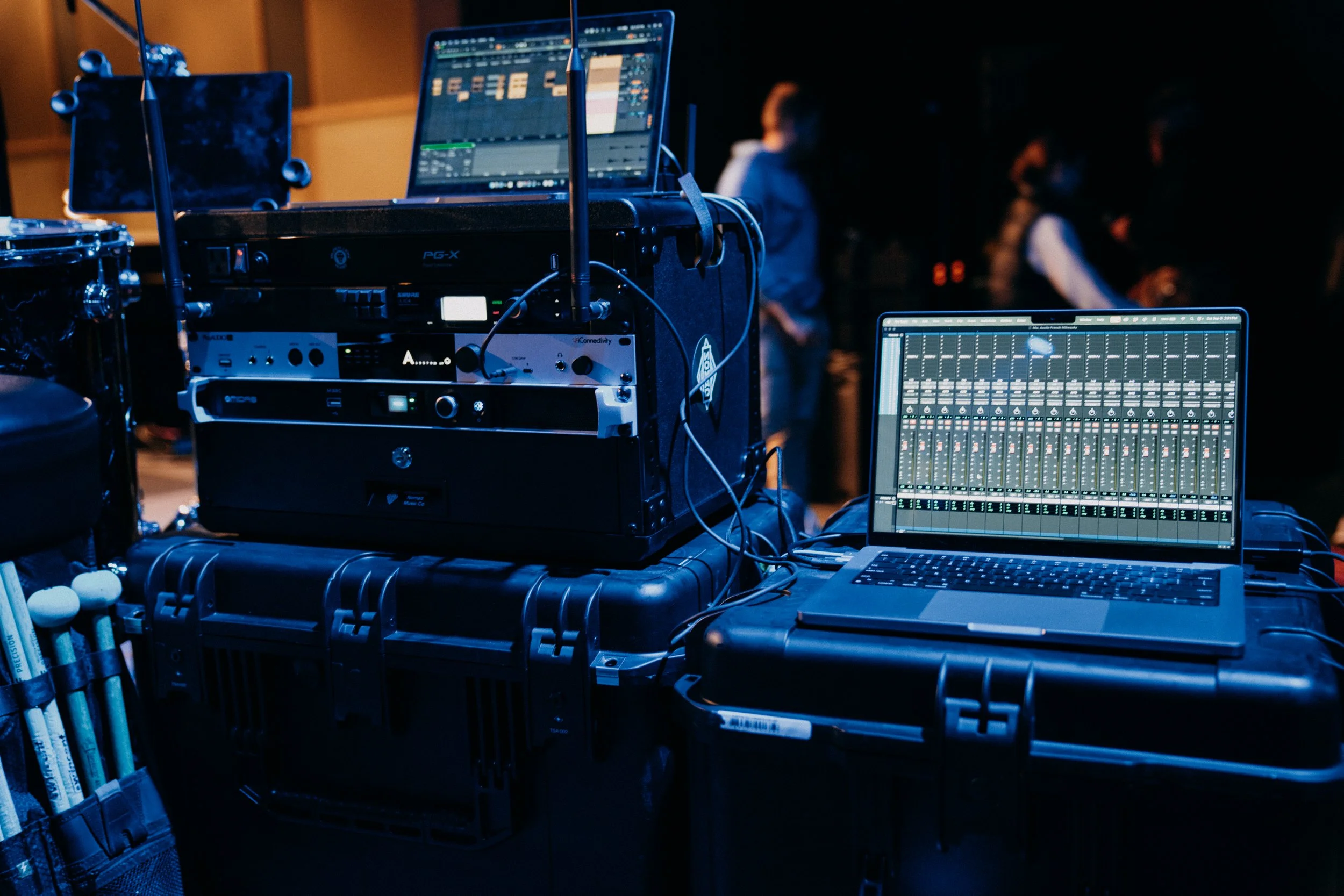
For many artists, one of the biggest upgrades they make as they grow from local shows to regional and national touring isn't a new guitar, a better microphone, or a larger lighting package. It's moving to a professional in-ear monitoring system.
If you've spent time around touring artists, you've probably heard the term "flyable IEM rig." It's become increasingly common among independent artists, worship teams, production companies, and touring musicians who need reliable monitoring without the challenges that come with traditional floor wedges.
But what exactly is a flyable IEM rig, and why are so many artists investing in them?
Whether you're preparing for fly dates, festival season, church conferences, or a full touring schedule, understanding how these systems work can help you make better decisions for your production.
What Is a Flyable IEM Rig?
The Basic Definition
A flyable IEM rig is a compact, portable in-ear monitor system designed to travel easily while providing consistent monitor mixes from venue to venue.
Instead of relying on whatever monitor setup is available at each venue, artists travel with their own monitoring system. This allows them to hear the same mix every night regardless of the room, venue size, or local production team.
At its core, a flyable IEM rig is a self-contained monitoring solution that can be transported on airplanes, loaded into sprinter vans, or incorporated into a larger touring package.
Why the Term "Flyable" Matters
The word "flyable" isn't just a marketing term.
Traditional touring racks can quickly become too large, heavy, or fragile for airline travel. A flyable IEM system is specifically designed with portability in mind.
The equipment is often housed in lightweight rack cases, organized for quick deployment, and built around gear that can withstand the realities of frequent travel.
For artists doing fly dates, conferences, festivals, and one-off events around the country, the ability to carry a complete monitor system without shipping large amounts of equipment can significantly reduce costs and logistics.
Who Uses Flyable Monitor Systems?
Flyable IEM systems are commonly used by:
Touring artists
Worship leaders
Church production teams
Festival performers
Corporate event entertainers
Production companies
Speaking tours
Conference worship bands
In many cases, these organizations need professional monitoring without the expense or complexity of a full production trailer.
What's Included in a Professional Flyable IEM Rig?
While every setup is different, most professional flyable IEM systems contain several core components.
Wireless Transmitters and Receivers
The heart of any flyable IEM rig is the wireless monitoring system.
Transmitters send audio from the monitor console while bodypack receivers allow performers to hear their custom mix through in-ear monitors.
Professional touring systems often utilize equipment from manufacturers such as Shure, Sennheiser, and Audio-Technica due to their reliability and RF performance.
Antenna Distribution Systems
As the number of wireless channels increases, proper antenna management becomes critical.
Antenna distribution systems allow multiple transmitters to share antenna resources while improving RF performance and reducing stage clutter.
This becomes especially important in crowded RF environments such as festivals, arenas, conferences, and convention centers.
Rack-Mounted Processing
Most touring IEM rigs include rack-mounted equipment that keeps everything organized and protected.
This may include:
Power distribution
RF management equipment
Network switches
Signal processing
Wireless monitoring systems
Keeping everything integrated inside a single rack simplifies setup and troubleshooting.
Splitters and Stage Inputs
A splitter system allows both the front-of-house engineer and monitor system to receive the same audio sources.
This means artists can maintain consistent monitor mixes while still allowing local production teams to mix the audience experience independently.
For touring acts, this consistency is often one of the biggest advantages of carrying a flyable IEM rig.
Digital Mixing Solutions
Many modern touring IEM rigs include compact digital mixers.
These mixers allow performers to:
Control their own monitor mixes
Save scene presets
Recall settings from previous shows
Make adjustments quickly during soundcheck
For smaller tours, the mixer may even handle both monitor duties and front-of-house responsibilities.
Why Touring Artists Choose Flyable IEM Systems
The popularity of flyable IEM systems isn't simply about convenience. There are practical production advantages that become increasingly valuable as touring schedules grow.
Consistent Monitor Mixes Every Night
Every venue sounds different.
Room acoustics, stage size, monitor placement, and local equipment can all impact what performers hear on stage.
A flyable IEM rig allows artists to recreate nearly identical monitor mixes regardless of location.
For vocalists especially, this consistency can dramatically improve confidence and performance quality.
Reduced Stage Volume
Traditional floor wedges contribute significant volume to the stage environment.
As stage volume increases, communication becomes more difficult and front-of-house mixes become harder to manage.
In-ear monitoring dramatically reduces stage noise while improving clarity for performers and engineers alike.
Faster Load-Ins and Changeovers
Festival schedules often leave little room for lengthy setup procedures.
Because a flyable IEM rig is preconfigured and self-contained, setup can happen quickly.
For artists performing multiple festivals or corporate events, saving even 15 to 20 minutes per setup can make a noticeable difference.
Easier Travel Logistics
For touring acts, transportation costs matter.
A compact flyable IEM rig can often eliminate the need to transport larger monitoring packages while maintaining professional production standards.
This is especially valuable for artists who regularly fly to events rather than traveling exclusively by bus or trailer.
Better Communication on Stage
Many modern monitor systems incorporate talkback microphones, cue channels, and communication tools.
These features improve coordination between performers, engineers, musical directors, and production teams.
For larger productions, effective communication can help prevent mistakes and improve show quality.
Flyable IEM Rig vs Traditional Floor Wedges
Sound Quality Comparison
Both systems can produce excellent results when implemented correctly.
However, in-ear monitoring typically provides greater clarity because performers hear audio directly rather than through a loudspeaker several feet away.
Stage Volume Comparison
This is often where the biggest difference becomes apparent.
Floor wedges contribute significantly to stage volume, while in-ear monitoring allows performers to hear clearly at lower levels.
The result is a cleaner stage environment and often a better front-of-house mix.
Touring Efficiency Comparison
From a touring perspective, flyable IEM systems are difficult to beat.
They require less space, offer greater consistency, and simplify many aspects of production logistics.
Cost Considerations
Professional wireless monitoring equipment can be expensive.
For artists who only tour periodically, renting a flyable IEM rig may make more financial sense than purchasing one outright.
Artists with extensive touring schedules may eventually justify ownership, but rental options often provide access to higher-end equipment without a large upfront investment.
Should You Rent or Build Your Own Flyable IEM Rig?
When Renting Makes Sense
Renting is often ideal for:
Fly dates
Festival runs
Corporate events
Churches hosting conferences
Artists testing an IEM workflow
It provides access to professional equipment without long-term commitments or maintenance responsibilities.
When Owning Makes Sense
Ownership becomes more attractive when:
You tour regularly
Your setup rarely changes
You have technical personnel maintaining equipment
Long-term rental costs exceed ownership costs
Things to Consider Before Investing
Before building a system, consider:
Wireless frequency coordination
Airline weight restrictions
Equipment maintenance
Backup planning
Future expansion needs
Many artists underestimate the complexity of managing wireless systems in challenging RF environments.
What Makes a Flyable IEM Rig Truly Tour Ready?
Weight and Airline Requirements
A rack may sound great in a rehearsal room, but if it exceeds airline weight limits, it can quickly become a logistical challenge.
Tour-ready systems balance functionality with portability.
RF Coordination
Wireless equipment is only as reliable as its frequency coordination.
Professional systems are designed to operate successfully in crowded RF environments where dozens or even hundreds of wireless devices may be active.
Reliable Wireless Equipment
Not all wireless systems perform equally.
Touring professionals prioritize equipment known for stability, range, and dependable performance under pressure.
Roadworthy Packaging
The rack itself matters.
A properly designed flyable IEM rig should survive repeated transportation while protecting the equipment inside.
Durability is often overlooked until the first damaged transmitter arrives at a show.
Flyable IEM Rentals in Nashville
Nashville serves as a hub for touring artists, production companies, worship teams, and entertainment professionals.
As a result, demand for portable monitoring systems continues to grow.
Touring Artists
Artists heading out on short runs or fly dates often need professional monitoring without purchasing a complete system.
Worship Teams
Churches and conference ministries frequently rely on portable monitor systems for events, retreats, and worship gatherings.
Corporate Events
Corporate entertainment and presentation teams benefit from reliable monitoring that travels easily.
Festival Performers
Artists playing festivals often need efficient setups that can adapt to fast-paced production schedules.
Frequently Asked Questions
What is a flyable IEM rig?
A flyable IEM rig is a portable in-ear monitoring system designed for touring artists, worship teams, and production professionals who need reliable monitoring while traveling.
What equipment is included in a flyable IEM system?
Most systems include wireless transmitters, bodypack receivers, antenna distribution, rack-mounted equipment, splitters, and digital mixing solutions.
Can a flyable IEM rig fit on an airplane?
Yes. Flyable systems are specifically designed to meet the travel requirements of touring artists and fly-date productions.
How many monitor mixes can a flyable IEM rig support?
This varies by configuration. Many professional systems support five or more stereo monitor mixes.
Should I rent or buy an IEM system?
For occasional touring, rentals often make the most financial sense. Artists with extensive touring schedules may benefit from ownership.
Can churches use flyable IEM systems?
Absolutely. Many churches and worship teams use flyable systems for conferences, retreats, and special events.
Do I need a monitor engineer?
Not necessarily. Many modern systems allow performers to control their own mixes using apps and digital mixers.
Ready to Simplify Your Touring Monitor Setup?
Whether you're preparing for a fly date, festival season, church conference, or national tour, a professionally designed flyable IEM rig can improve consistency, reduce setup time, and create a better experience for performers and production teams alike.
At Nomad Music Co., we provide professional flyable IEM systems built for the realities of touring. We also offer backline rentals, rehearsal space, audio engineering, live event production, and tour support services to help artists and organizations operate more efficiently on the road.
If you're planning an upcoming event or tour and need a flyable monitoring solution, we'd love to help you find the right setup.
Learn more about our Flyable IEM Rig or Talk With Our Team About Your Tour.